Are you ready to take your startup into view new heights?
Thank you! Your submission has been received!
Oops! Something went wrong while submitting the form.


Venture Clienting, Three Founders, and What It Takes to Turn a Pilot into a Business
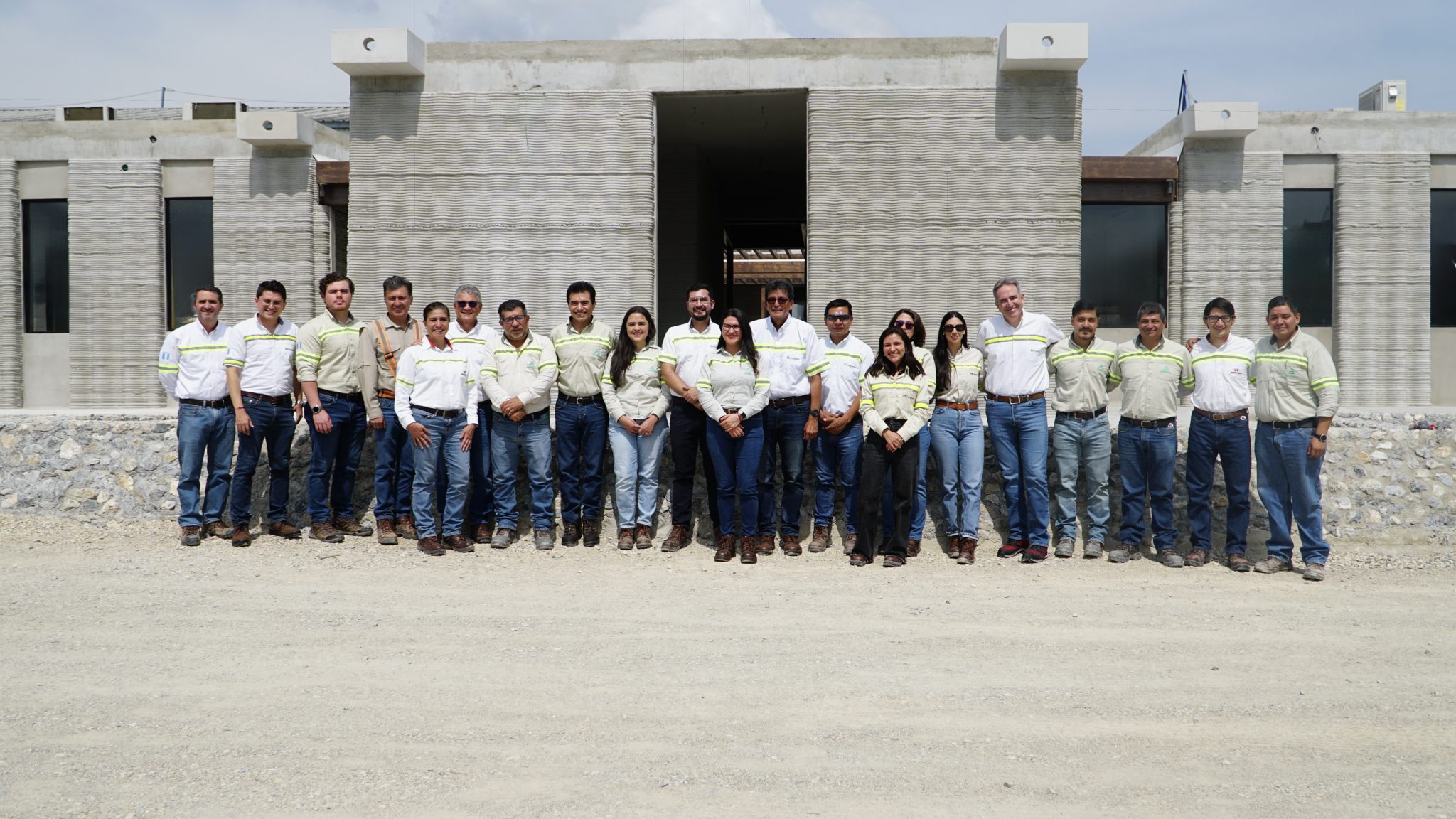
Buildings start as drawings that look flawless in a conference room. Then someone puts on a hard hat and walks the construction site, and the drawing meets reality.
Venture Clienting is that walk. A corporation becomes a startup’s first real customer with a real problem, real users, and a real budget attached. After working with a few startups over the years, the importance of venture clienting to our innovation efforts became evident. As a learning experience, we asked three founders who have done it what they saw from the site.
Julián Rico of Spybee, a construction-tracking platform, first knocked on Constructora Bolívar’s door in 2021, but the contract arrived three years later. In between, Spybee served smaller clients, gathered feedback, and returned every few months to show what had changed; coming back with real data was the game-changing move. Once the numbers proved that he could solve the real problem, the relationship became official.
Óscar Hoyos of Uptime Analytics treats the pilot like a foundation: pour it simple. His first pilot ran offline. The client sent historical data, Uptime processed it, and nobody waited on IT or cybersecurity reviews. For the corporate world, the no-bureaucracy execution saved time and effort. His other grounding rules also set him apart in the VC world: define success before day one, and find the person inside the company who feels the pain that you know all too well because that person will become your sponsor.
Then comes the question most pilots skip: if this works, what’s next? Corporations want to know what scaling costs and what it saves because, as Óscar puts it, this is not charity work. We’ve watched enough pilots end in polite applause and no purchase order to agree because a pilot should close with a business case. Or, what we like to call proof with a price tag.
Pablo Romero of BimTrazer had already won prizes at innovation contests that, in his telling, stopped at marketing: nobody connected them with clients afterward. With Progreso X, the work started at the table. We mapped which business units could use the platform, built the business model together, and made the introductions ourselves. That borrowed credibility traveled, and BimTrazer grew from buildings into steel, agro, biofuels, and oil and gas.
A VC writes the check, and an industry partner walks the site with you. It’s a win-win situation.
All three founders value listening and draw the line in different places. Óscar built an energy business after a tableware maker’s accelerator asked Uptime to cut an oven’s consumption. Julián warns that a client with a request for every feature turns a startup into a custom software shop.
The filter: does the request fit the problem your product solves?
Preparation runs both ways. Corporations need an involved leader, a budget, a named owner, and controls proportional to a startup’s stage.
For corporations, Venture Clienting means innovation that arrives with a business case. For startups, it means a first customer who makes the introductions and answers the reference call.
At Progreso X, we keep a few spare hard hats by the door.